The Search Between Three EVs and the Behind-the-scenes Buying Secrets That Sellers Are Hiding
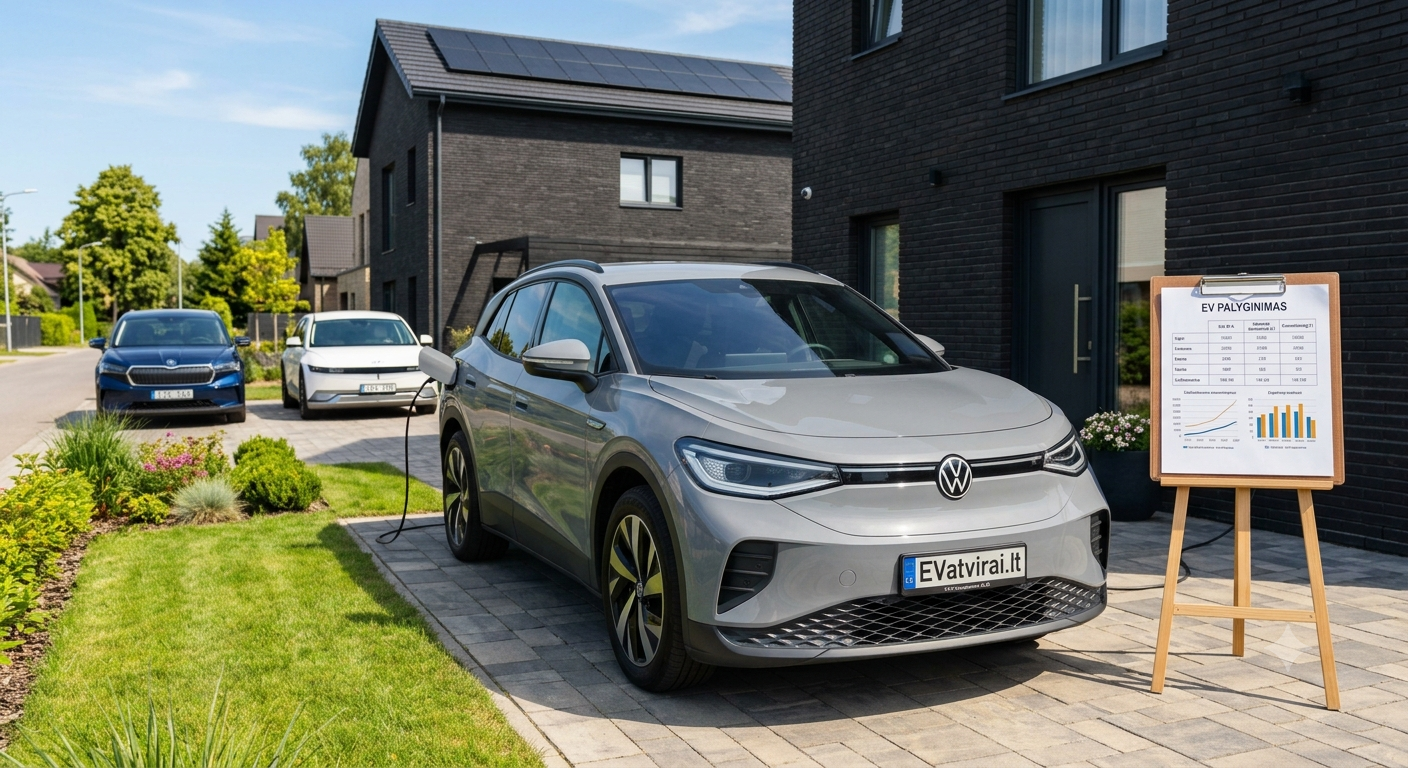
Welcome back! In the first part of “EV Openly,” I told you how, after 19 years behind the wheel and ten different cars, the last of which was the powerful VW Arteon, a used VW ID.4 ended up in my backyard. Today, I’ll answer the two main questions I’m asked most often: why did I choose this particular model and why did I decide to go electric in the first place?
Welcome back!
Welcome back! In the first part of “EV Openly,” I told you how, after 19 years behind the wheel and ten different cars, the last of which was the powerful VW Arteon, a used VW ID.4 ended up in my backyard. Today, I’ll answer the two main questions I’m asked most often: why did I choose this particular model and why did I decide to go electric in the first place?
Search: from a “bloated Golf” to the final decision
The market is now full of electric cars, but I was looking for a very specific balance. After a fully equipped Arteon with massaging seats and a “Head-up” display, I didn’t want to change to an empty base-level car just to drive electric. I had three options in my sights: the Hyundai Ioniq 5, the Skoda Enyaq iV 80, and the Volkswagen ID.4 “Pro Max” version. I’ll say right away – I didn’t even consider Tesla due to the build quality and limited service availability (and still don’t). Chinese manufacturers are also irrelevant to me. Since I’ve driven cars with internal combustion engines all my life, it was critically important for me that the electric car would travel as much real distance as possible. All the aforementioned models were evaluated only with the most capacious batteries. Another important criterion is repair and maintenance. I have many years of positive experience with the VW dealership “Autojuta” in Kaunas, so this was a strong argument. Here’s how it all turned out: • Hyundai Ioniq 5 fell out of favor almost immediately – I realized that it was just a “bloated” Golf-style car for me. • I considered Skoda Enyaq very seriously, but the price of the most capacious battery version significantly exceeded the prices of ID.4. This is what led to my final decision.
The purchase process: why do I avoid unclear sellers?
Choosing a model is one thing, but buying it safely is another. When you open the ads, there are endless names of electric car sellers. From my own experience, I can say: I have not chosen “private” sellers or obscure small partnerships (MB) for a long time. I always look at the offers of official representatives or contact reliable intermediaries. When buying an electric car anywhere, you risk losing the warranty on the battery (which is valid for 8 years in the case of VW). An unreliable seller will not guarantee that the battery has not been tampered with. Always demand a SOH (State of Health) certificate - a document showing the real remaining “life” of the battery. My car was purchased through the intermediary of the company “A1 Motors” based on reliable recommendations. Their person went to the sales point in Germany, inspected the car, provided video footage, showed body defects and gave his verdict. The car was brought to Lithuania within 2-3 weeks – washed, cleaned and delivered to me in Kaunas. They just handed me the keys and wished me a good trip. Tip: Don’t forget that electric cars that are no older than 4 years at the time of registration are eligible for EU support. When buying in Lithuania, check whether the seller has already used them.
First expenses: license plates, insurance and tires
When registering the car, I chose ordinary license plates, not the exclusive “EE” series – I just didn’t see the point. Especially since I’m now using the license plates that adorn my 5th car! The first numbers were pleasantly surprising: • CASCO insurance: cost much cheaper than the Arteon – about €600. • Civil insurance: about €80. • Winter tires: I got the car with summer tires, so I bought winter tires used from someone. Pirelli EV (used for 1 year, R20 set) cost €320. I’m not sure how much of a marketing ploy tires for electric cars are, but I decided not to risk it.
What really made me switch to EV driving?
It all started when I installed a solar power plant on the roof of my house. After a harsh winter, I wanted to store electricity in the summer and enjoy the price of €0.072/kWh during the heating season, when the whole house is heated by electricity. With state compensation for private stations, it became logical to install one too. The final point was made after opening my own statistics and calculating how much the VW Arteon required. The numbers spoke for themselves: • Distance traveled: 33,683 km • Fuel filled: 2,302.84 L • Fuel paid: €3,417.50 • Oil and filter changes (3 times): €741 • Shock absorber replacement: €1,100 • CASCO: €850 / year In terms of fuel and current repairs alone, the Arteon cost me almost €3,500 per year. This was enough motivation to look for alternatives.
What’s next?
In the next posts, we will move on to specific costs: I will share about the prices of EV charging stations, the first problems with the ID.4, and we will open the electricity consumption tables for the autumn, winter, and spring seasons. Stay tuned!
About the “EV Openly” project
This blog was born not for profit, but out of a desire to lift the veil of secrecy from the real operation of electric cars - without marketing filters and embellishments. All texts and figures here will always be open and free. If this information was valuable to you, saved you time searching for answers or helped you make a decision, you can symbolically contribute to the project and “buy me a kilowatt-hour” by choosing one of the support amounts below. This is absolutely non-binding, but the best motivation for me to continue sharing open statistics. Thank you for reading!
Want to be first to know when a new part goes live? ⚡☕
I update this blog roughly every two weeks. Leave your email and I’ll personally send you a short note as soon as I publish something new. No spam, ever — just real numbers and an honest experience!